
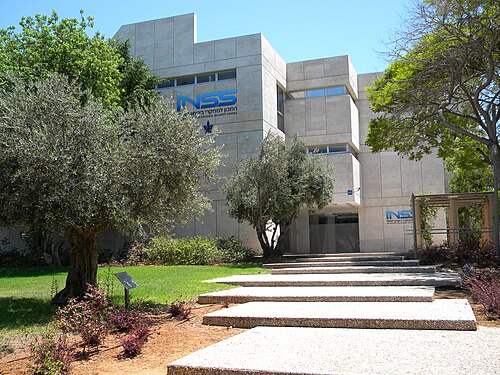
The Joint ISGAP-INSS Fellowship in Critical Contemporary Antisemitism Studies aims to foster an innovative approach to the interdisciplinary study of contemporary antisemitism and help to develop an in depth understanding in two main areas of interest:
- Qatari Engagement with Hamas and Muslim-Brotherhood elements, and Qatar’s Global Influence.
- Israel-United States Relations in the Context of Contemporary Antisemitism.
In 2025, the ISGAP-INSS Fellowship was launched with the following scholars:
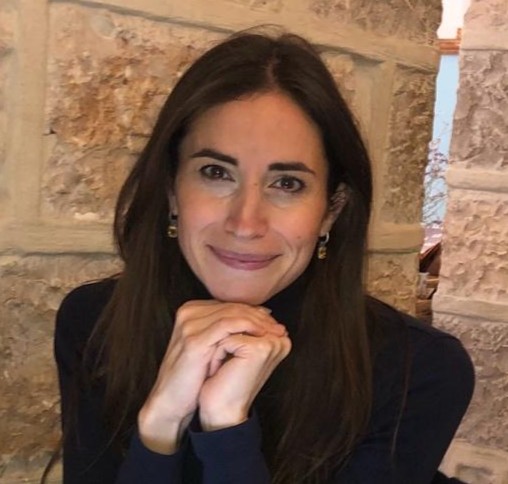 Batsheva Neuer is a PhD candidate in the Department of Jewish History and Contemporary Jewry, ISGAP- INSS Research Fellow, and a fellow at the Avraham Harman Research Institute of Contemporary Jewry at the Hebrew University. She was awarded the 2024 Bernard Lewis Prize for her dissertation, Israel and the Question of Racism and Related Intolerance: The Road to the World Conference at Durban. Previously, she was a 2023-2024 fellow at the Cherrick Center for the Study of Zionism and a 2022-2023 Knapp fellow at the Vidal Sassoon International Center for the Study of Antisemitism (SICSA), both at Hebrew University.
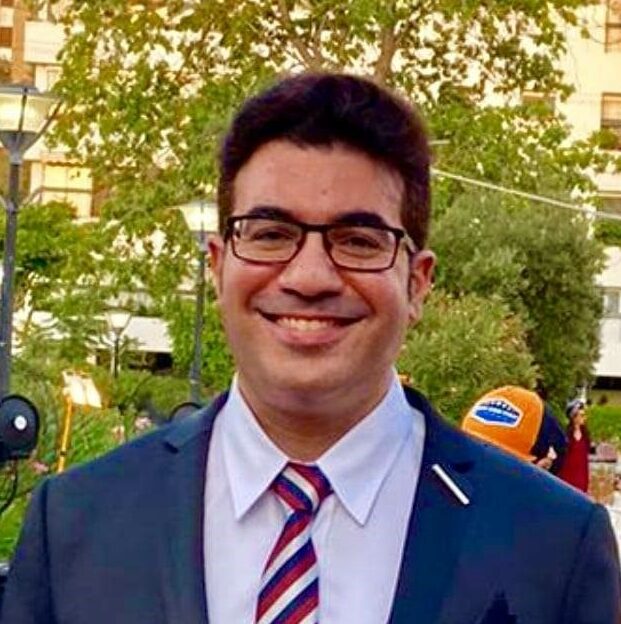 Dr. Elad Ben-David is an ISGAP-INSS Post-Doctoral Research Fellow and a specialist in the fields of contemporary Islam, interfaith dynamics, and minority religious communities. He holds a PhD from the Department of Middle Eastern Studies at Bar Ilan University, Israel. Dr. Ben-David also served as a postdoctoral researcher at the Center for the Study of Conversion & Inter-Religious Encounters (CSoC), as well as a participant in the “Intertwined Worlds” program at the Haifa Laboratory for Religious Studies, University of Haifa, which focuses on interfaith relations and exchange. He also served as a research associate at the Forum of Regional Thinking (FORTH), an independent Arab and Jewish think tank fostering dialogue and innovative policy analysis. Dr. Ben-David’s scholarly expertise centers on the experience and dynamics of contemporary Islam in America after September 11, as well as the study of Muslim minority communities more broadly.